Handmade carpets in Nepal are among the most respected and sought-after textiles in the world, known for their exquisite craftsmanship, unique designs, and cultural significance. These carpets are deeply rooted in tradition, yet they have evolved into a globally appreciated art form, combining ancient techniques with contemporary aesthetics.
The handmade carpet industry in Nepal has its origins in Tibetan culture. In the 1960s, Tibetan refugees fleeing Chinese occupation settled in Nepal, bringing with them their traditional carpet-weaving skills. With support from international aid organizations and the Nepalese government, carpet weaving soon became a major source of income for many refugee communities. Over time, the craft expanded beyond the Tibetan diaspora and became an important industry for Nepal as a whole.Materials and Techniques
Nepalese carpets are predominantly made using high-quality Tibetan wool, often mixed with silk or hemp. Tibetan wool is known for its high lanolin content, which gives the carpets a rich texture and natural sheen. Some high-end carpets also incorporate New Zealand wool, which is softer and more uniform in color.The primary technique used is the Tibetan knot system, which differs from Persian or Turkish knotting. This method allows for denser, more durable carpets and accommodates both traditional and modern designs. Dyes used are both natural and synthetic, with many weavers preferring vegetable dyes for their environmental benefits and subtle tones.
Designs range from traditional Tibetan motifs, such as dragons, clouds, and lotus flowers, to modern, abstract, or custom-made patterns. Many weavers today collaborate with international designers to create carpets that cater to global tastes while retaining Nepalese identity.
Traditional Tibetan: Symbols like endless knots, tigers, and Buddhist iconography.
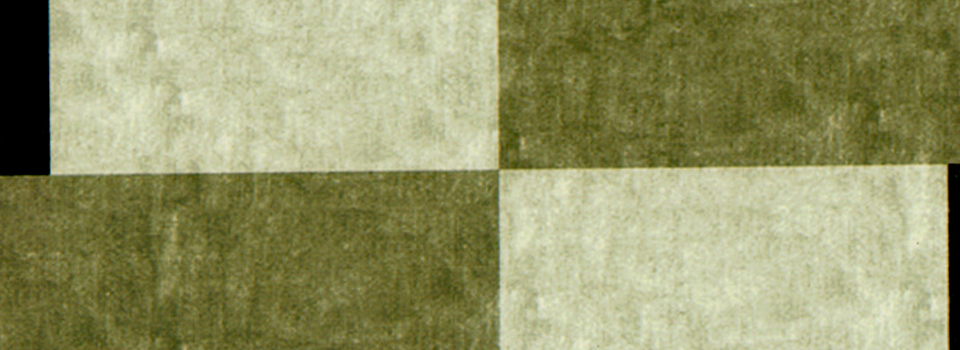
Modern minimalist: Abstract patterns, geometric shapes, and muted palettes.
Custom contemporary: Tailor-made pieces for interior designers and luxury homes.
Handmade carpet production is one of Nepal's largest export industries, contributing significantly to the national economy. It provides employment to thousands, especially women, in both rural and urban areas. Many workshops follow fair trade practices, ensuring ethical working conditions and fair wages.
The industry also plays a vital role in preserving traditional crafts and empowering marginalized communities. Non-profits and cooperatives have emerged to support education, healthcare, and skill development through carpet weaving projects.
Nepalese handmade carpets are featured in international design fairs, luxury boutiques, and prestigious homes worldwide. They are often seen as not just floor coverings, but as pieces of art, each telling a story of culture, tradition, and human touch.
Handmade carpets in Nepal represent a beautiful intersection of culture, craftsmanship, and creativity. From their Tibetan roots to their current global acclaim, these carpets embody the resilience and artistry of Nepalese weavers. Investing in a Nepalese carpet means supporting tradition, sustainable craftsmanship, and timeless beauty.
Hemp Products
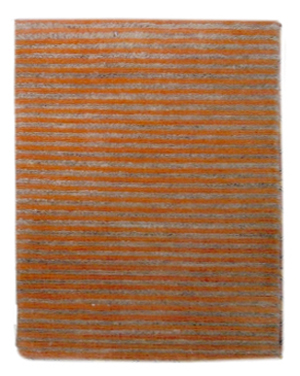
Style: Hemp Carpet
Proudct Name: RTBM-10
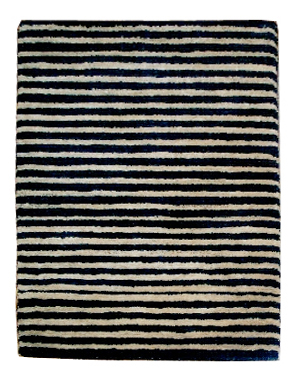
Style: Hemp Carpet
Proudct Name: RTBM-11
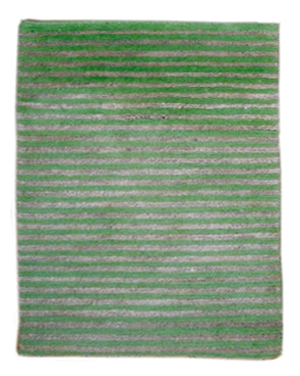
Style: Hemp Carpet
Proudct Name: RTBM-12
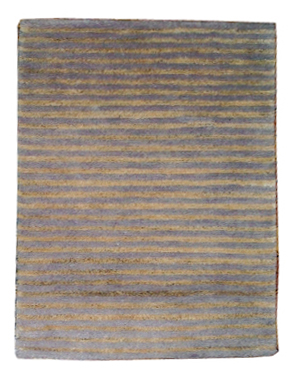
Style: Hemp Carpet
Proudct Name: RTBM-13
Woolen Products
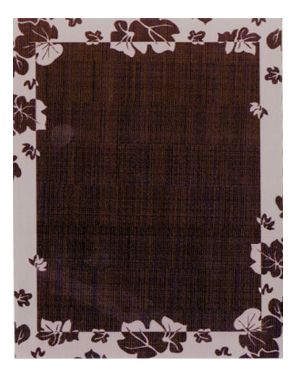
Style: Woolen Carpet
Proudct Name: RTBM-20
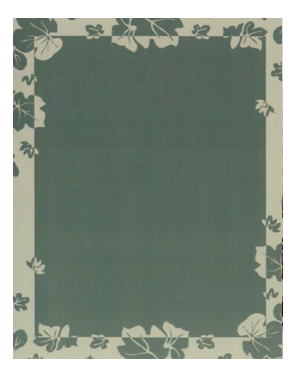
Style: Woolen Carpet
Proudct Name: RTBM-21
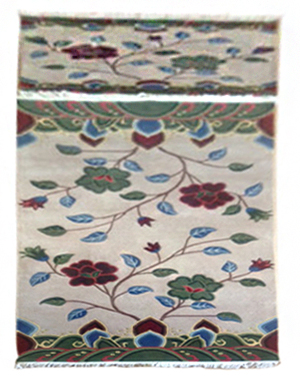
Style: Woolen Carpet
Proudct Name: RTBM-22
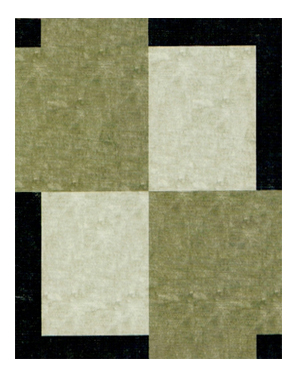
Style: Woolen Carpet
Proudct Name: RTBM-23
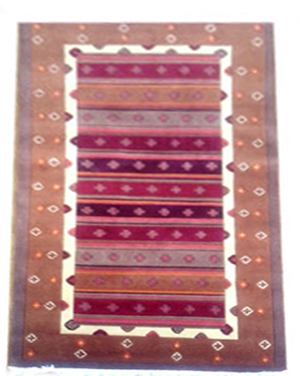
Style: Woolen Carpet
Proudct Name: RTBM-24
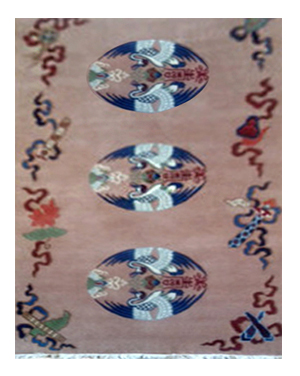
Style: Woolen Carpet
Proudct Name: RTBM-25
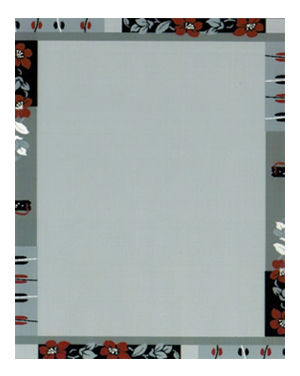
Style: Woolen Carpet
Proudct Name: RTBM-26
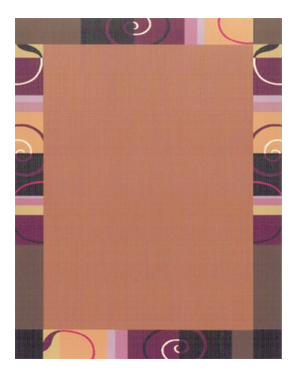
Style: Woolen Carpet
Proudct Name: RTBM-27
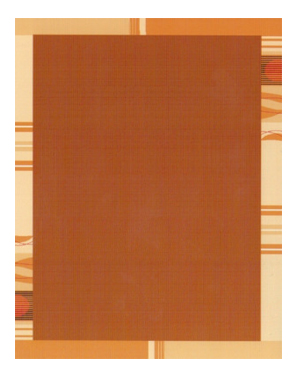
Style: Woolen Carpet
Proudct Name: RTBM-28
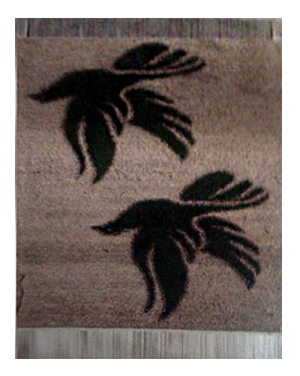
Style: Woolen Carpet
Proudct Name: RTBM-29
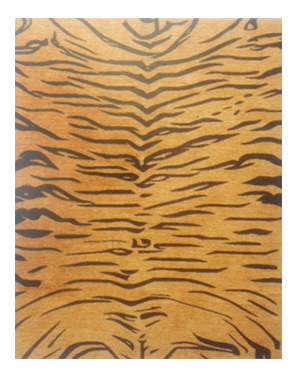
Style: Woolen Carpet
Proudct Name: RTBM-30
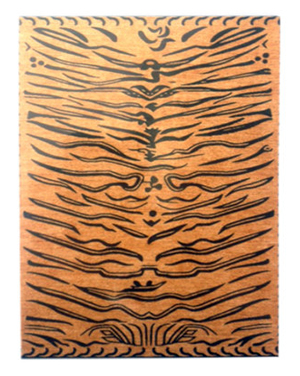
Style: Woolen Carpet
Proudct Name: RTBM-31
Tibetan Products
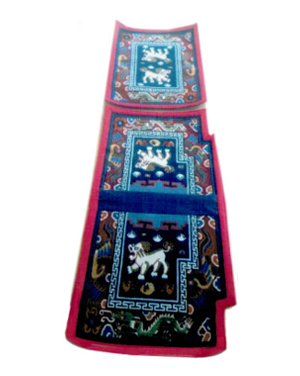
Style: Tibetan Carpet
Proudct Name: RTBM-40
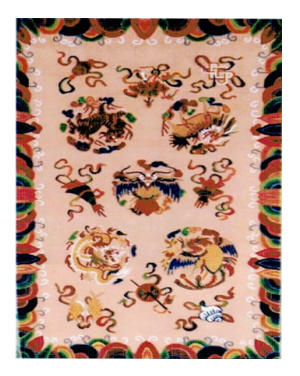
Style: Tibetan Carpet
Proudct Name: RTBM-41
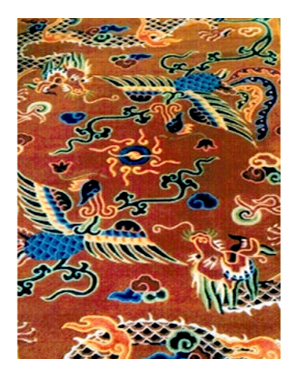
Style: Tibetan Carpet
Proudct Name: RTBM-01
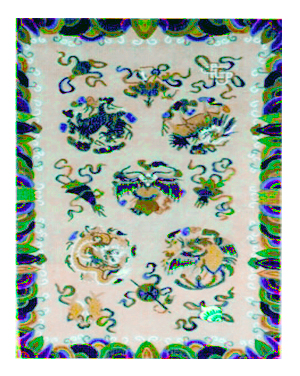
Style: Tibetan Carpet
Proudct Name: RTBM-42